
Email us
Sector applications/Food process filtration
APPLICATION GUIDE

Do you need to concentrate ingredients or clarify a beverage?

Compare membrane duties for dairy and food fractionation versus juice, tea and vinegar clarification.

Discuss your application
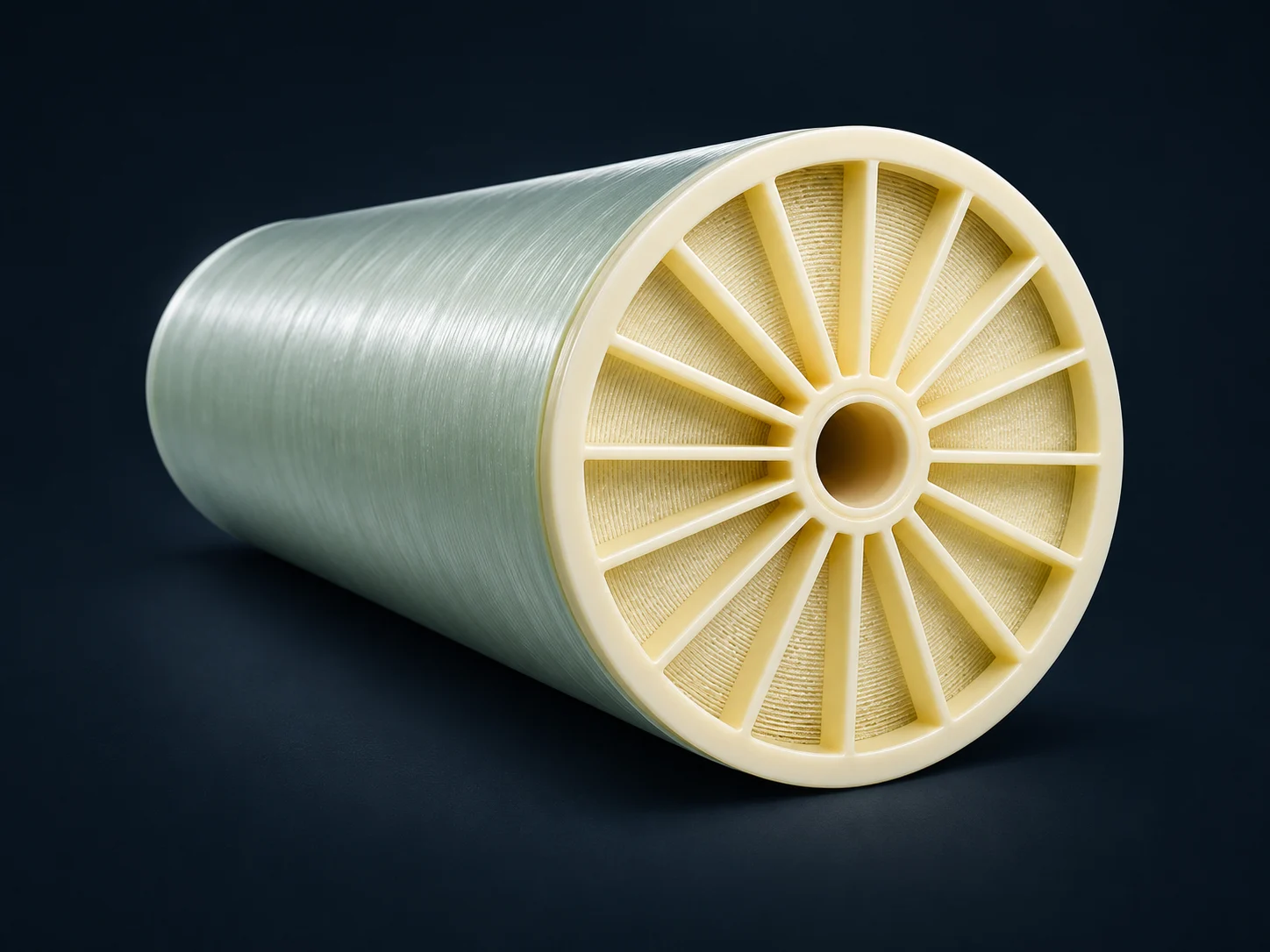
Do you need to concentrate ingredients or clarify a beverage?
Equipment illustration based on manufacturer references

Read the solution guide

01

Do you want to recover whey proteins?

The manufacturer describes sanitary spiral-wound membranes for food fractionation and concentration. When proteins should remain in the concentrate, review the target composition and where the permeate will go.

02

Do you want a clearer beverage?

Tubular ceramics are a clarification option described for juice, tea and vinegar. Compare starting and target clarity, product attributes to retain and current cleaning conditions.
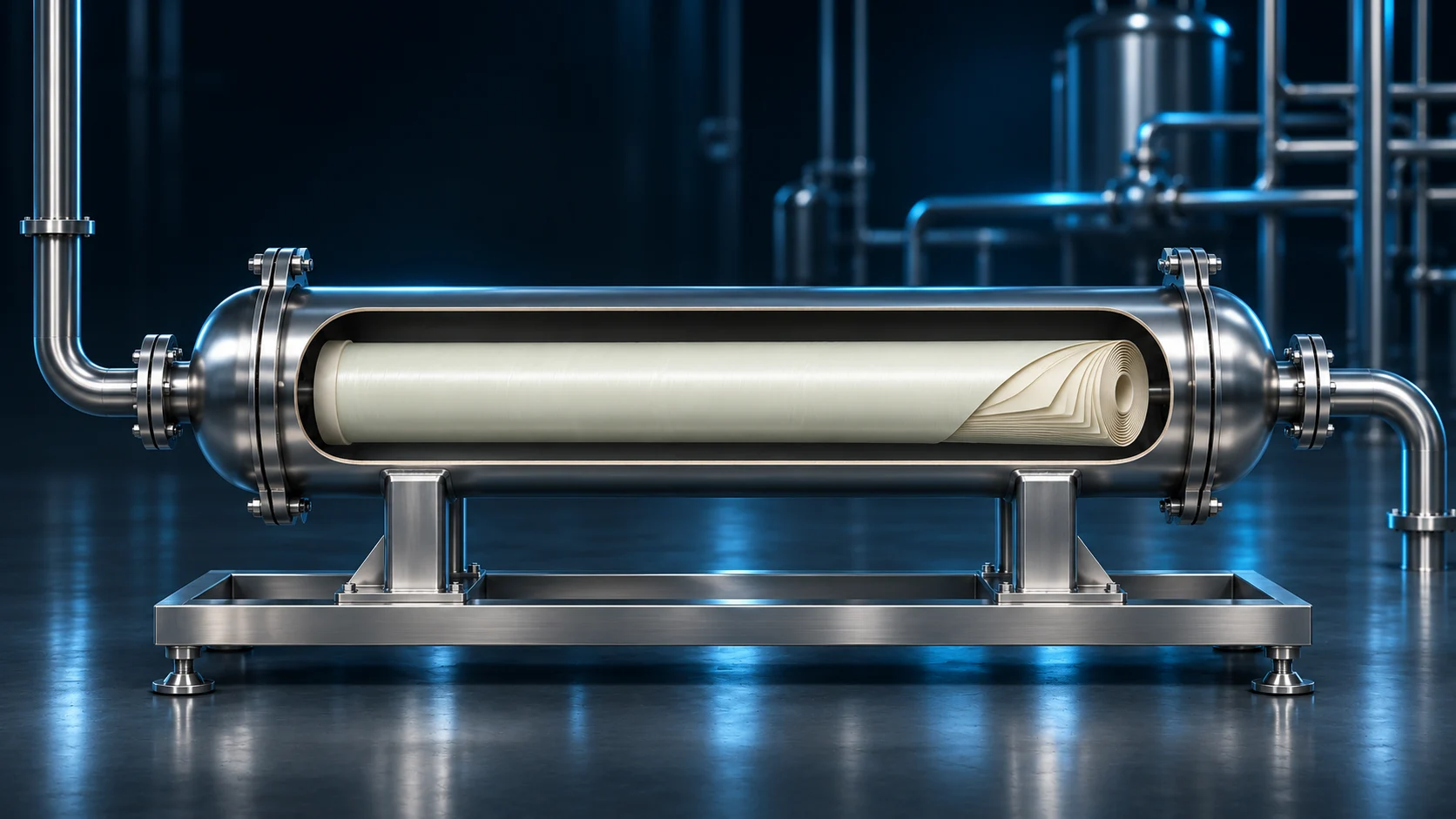
INSTALLATION CONTEXT

Spiral-wound membrane inside a pressure vessel

Cutaway showing a spiral-wound membrane element and its layers inside a horizontal pressure vessel
Spiral-wound membrane inside a pressure vessel

Illustrations show typical installation contexts, not product photos or drawings. Confirm connections and dimensions against the selected equipment's documentation.

Choose the fraction before choosing a membrane format

Relevant manufacturer: PHILOS Co., Ltd.

The problem on site
Making a liquid clear is different from steering protein, aroma or sugars into a specific product stream. Starting with a membrane material or nominal cut-off can miss fouling by fat, pectin or solids, loss of selectivity and cleaning downtime.
Proposed solution
Identify whether the product is in permeate or concentrate. Compare the duties of MF and UF, with NF or RO where appropriate. Assess ceramic, spiral-wound and hollow-fiber formats against solids tolerance, flow path, space, cleaning restrictions and pilot evidence.
What to verify before selection
Bring feed range, target composition, recovery and appearance, hourly throughput and allowed cleaning chemistry and temperature. Use representative-lot mass balance, flux and differential-pressure trends and recovery over repeated cleaning to verify suitability.