
After fermentation and maturation
Evaluate clarification methods to remove lees, yeast, and sediment.
Check filterability before bottling, and assess microbial stability together with preservation of color and aroma.
Review selection pointsDiscuss this applicationReview product locations and fluid paths.
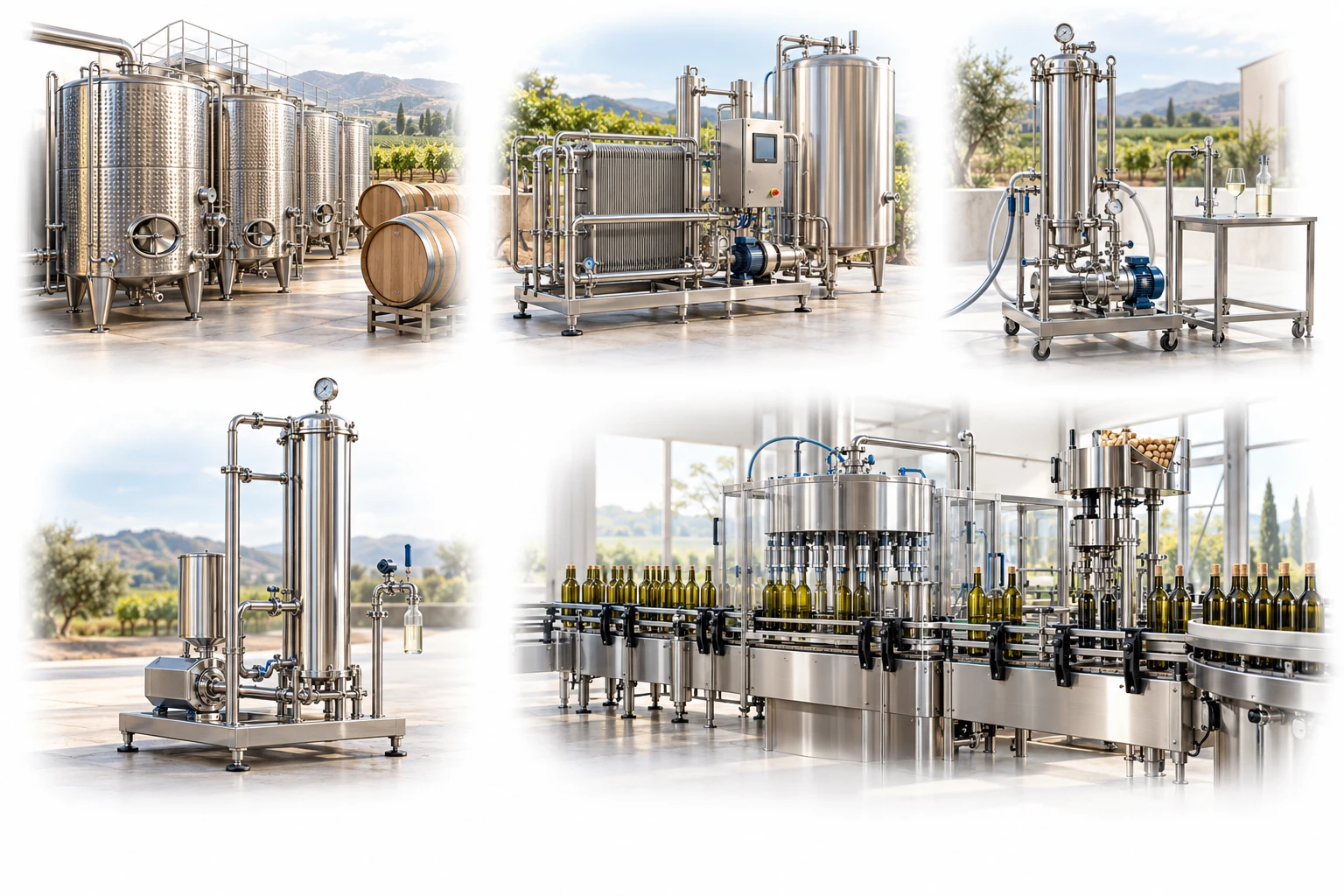
Tartrate/protein stabilization and final microbial filtration serve different roles. Filterability testing informs downstream loading.
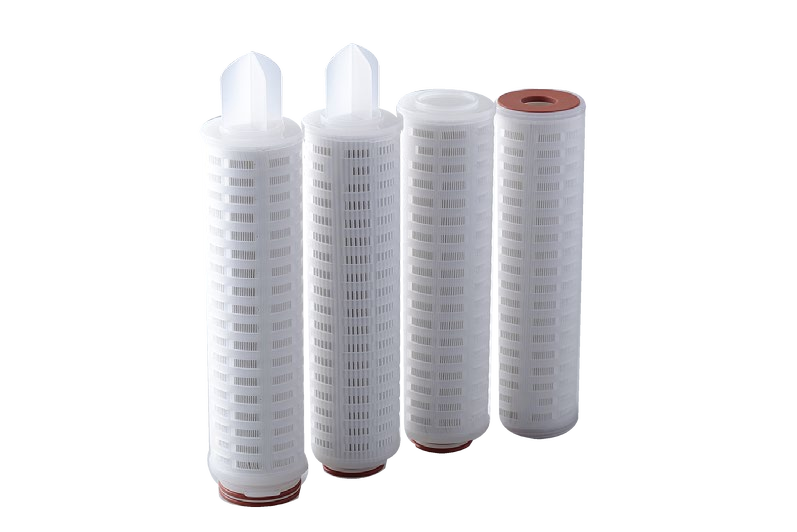
The pictured ROKI TECHNO adsorption cartridges are reviewed for clarification/pretreatment. Their role is separate from downstream final membrane filtration; verify microbial-retention performance, filter grade and integrity-test conditions using evidence for that membrane.
A conceptual illustration created to explain equipment and application locations. It is not an actual product photograph, installation photograph or piping/wiring design.
Scroll horizontally to see the complete flow.
Review tartrate and protein stabilization separately. Test filterability and color and aroma losses before defining the stages.
These conceptual views explain flow direction. Actual piping, wiring and physical flow rates require a separate design.
Define the intended use and conditions to identify the required role of each item.
Evaluate clarification methods to remove lees, yeast, and sediment.
Measure colloidal load and filterability before bottling, then select pretreatment.
Check retention performance for target microorganisms, as well as the bottler, bottles, closures, and supply gases.
Wine clarification, microbial stabilization, and tartrate and protein stabilization are separate control tasks. Review upstream treatment and storage conditions together, rather than simply adding a final filter immediately before bottling.
Scroll horizontally to review all columns.
| Process objective | Step to review | Selection evidence |
|---|---|---|
| Lees and sediment | Depth filtration / pretreatment | Solids load and loss of color and aroma through adsorption |
| Final membrane protection | Filterability testing | Fouling rate in addition to turbidity; throughput before and after pretreatment |
| Spoilage and refermentation control | Final membrane | Residual sugar, organism types, alcohol and pH, and microbial retention validation |
| Appearance stability | Evaluate separate stabilization processes | Tartrate and protein stability tests; storage temperature |
These examples start the application review. Pore size or nominal rating alone does not establish suitability or retention; confirm with the actual process fluid and supplier evidence.
Low turbidity alone is a poor predictor of bottling filter life. Compare filterability at constant pressure using representative feed wine.
Review membrane material and adsorption characteristics, the initial flush, and differences in sensory properties and color before and after treatment.
Even if the filtrate meets requirements, recontamination can occur through bottling equipment, gas, or rinse water. Sample at separate locations to identify the cause.
Capturing particles that have already formed is different from stabilization to prevent future crystal formation. Verify tartrate stability using separate processes and tests.
Check the membrane's actual retention data for target microorganisms, operating conditions, and integrity criteria. Product-specific suitability tests are also needed.
These details help narrow the configuration and the evidence to review.
Confirm model suitability and supply scope through a technical review. Use each card to make an enquiry or review official manufacturer information.
An adsorption-type cartridge filter using media containing diatomaceous earth for food and beverage clarification.
Enquire about this productManufacturer company information ↗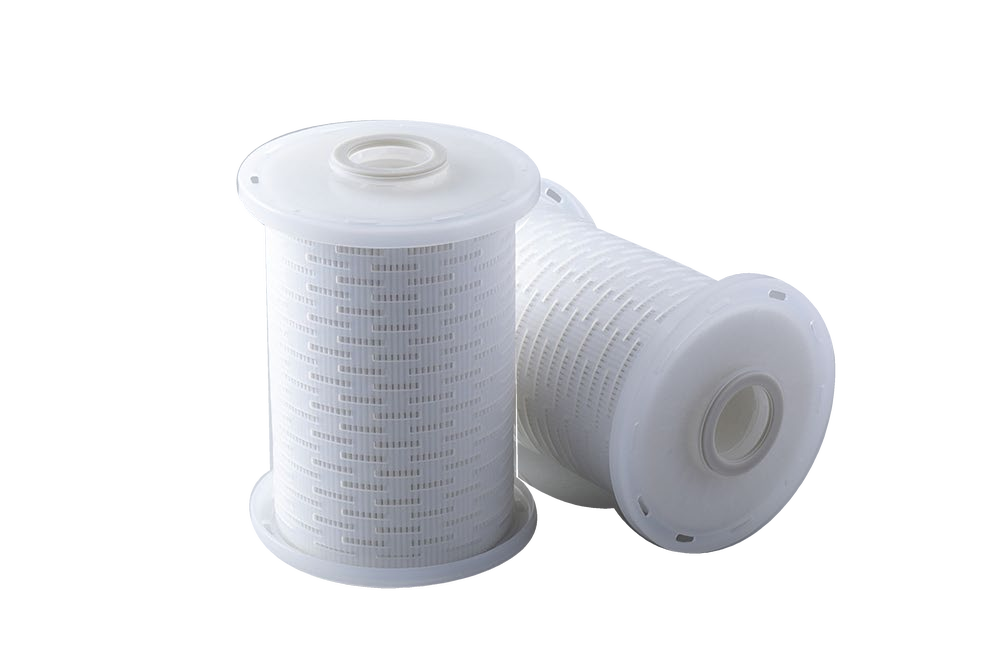
An adsorption-type high-flow cartridge filter for food and beverage clarification.
Enquire about this productManufacturer company information ↗Product photographs and manufacturer images use permitted official materials and source links. Original explanatory schematics are identified separately from actual product photographs.
May we use Google Analytics, Google Ads and ChatGPT Ads to measure visits and completed enquiries? Learn more