
Post-fermentation clarification
Reduce yeast and large solids loads through centrifugation or clarification.
Distinguish yeast removal, turbidity control, and microbial stability, while also considering flavor and dissolved oxygen.
Review selection pointsDiscuss this applicationReview product locations and fluid paths.
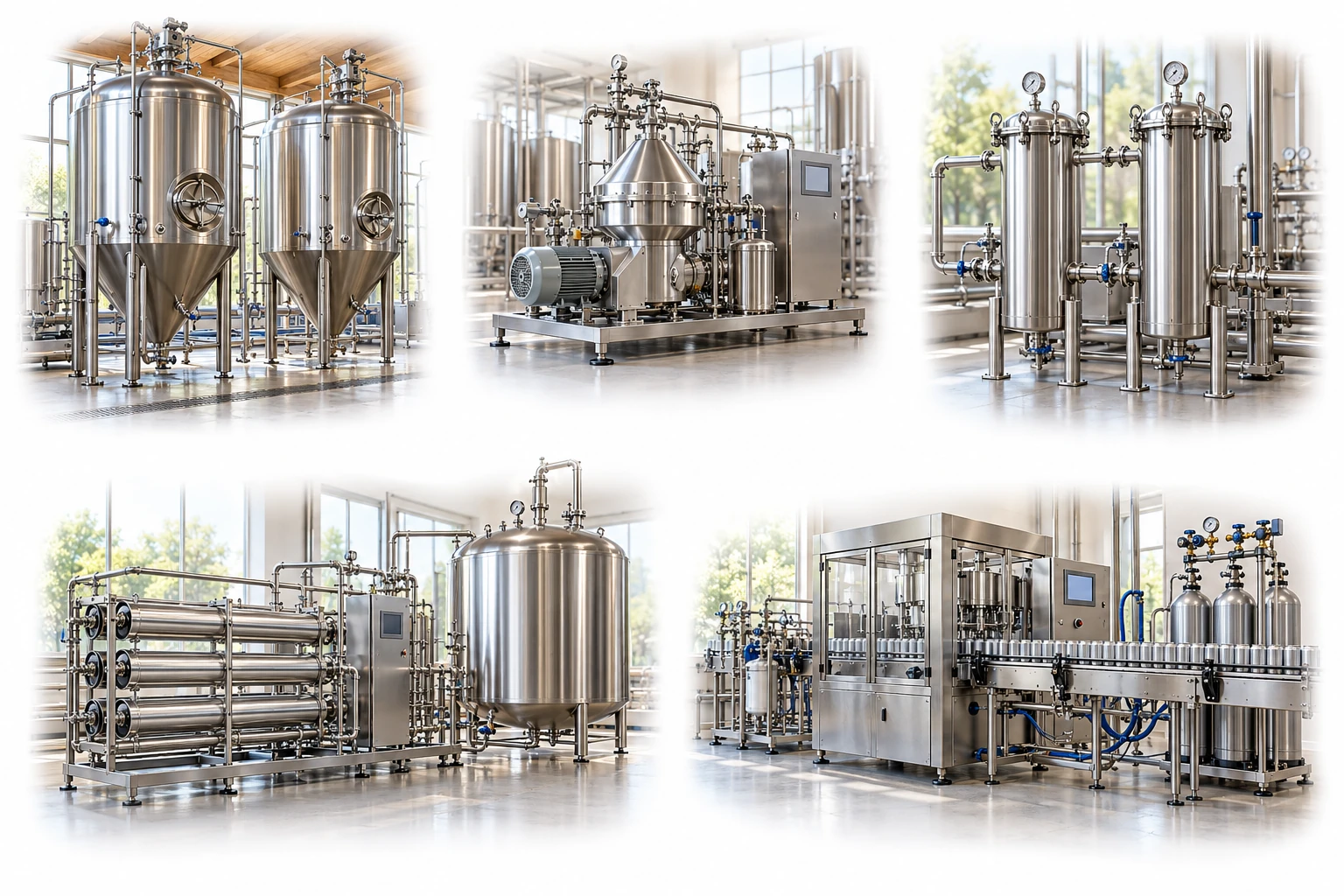
The selected steps depend on beer style and heat treatment. The final membrane lane illustrates one microbial-stabilization strategy.
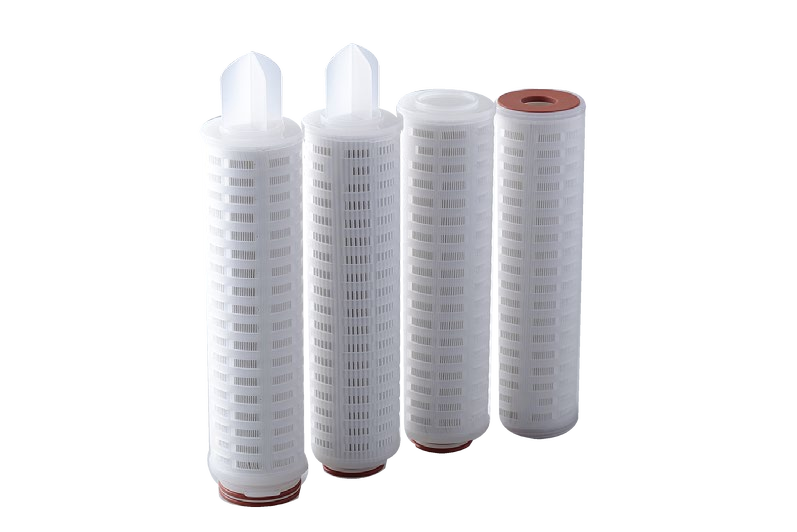
The pictured ROKI TECHNO adsorption cartridges are reviewed for clarification/pretreatment. Their role is separate from downstream final membrane filtration; verify microbial-retention performance, filter grade and integrity-test conditions using evidence for that membrane.
A conceptual illustration created to explain equipment and application locations. It is not an actual product photograph, installation photograph or piping/wiring design.
Scroll horizontally to see the complete flow.
Choose the clarification method and need for final filtration according to beer style. Validate retention of the target microorganisms. Lines show process order, not microbial removal rates or filter life.
These conceptual views explain flow direction. Actual piping, wiring and physical flow rates require a separate design.
Define the intended use and conditions to identify the required role of each item.
Reduce yeast and large solids loads through centrifugation or clarification.
Capture escaped filter aid and remaining particles to protect the final membrane.
Review validation data for the target microorganisms alongside filler hygiene and the gas supply.
Clear lagers and beers that retain haze do not share the same filtration objectives. Separate the roles of yeast and filter aid retention, final filter protection, and spoilage microorganism control, and relate them to bottling and canning conditions.
Scroll horizontally to review all columns.
| Process objective | Step to review | Selection evidence |
|---|---|---|
| Visible turbidity | Clarification / trap filter | Yeast, diatomaceous earth carryover, target turbidity, and product style |
| Final membrane life | Multistage pretreatment | Particle size and colloidal load, throughput per unit area, and differential pressure rise |
| Microbial stability | Validated final membrane | Target spoilage organisms, retention performance, and integrity before and after use |
| Preserving carbonation and aroma | CO₂ and vent filtration; operating conditions | Gas quality, bubbles, dissolved oxygen, and residual cleaning solution |
These examples start the application review. Pore size or nominal rating alone does not establish suitability or retention; confirm with the actual process fluid and supplier evidence.
Compare differential pressure at the same flow and temperature, and also apply the manufacturer's pressure limits, hygiene procedures, and validated number of uses.
Colloids and deformable particles affect fouling. Compare pretreatment combinations using small-scale filterability tests.
Check turbidity, dissolved oxygen, microorganisms, sensory properties, and product loss per batch before and after filtration.
No. It depends on beer type, target microorganisms, and whether subsequent heat treatment is used. Do not judge final filtration performance from the stated pore size alone.
A finer membrane may actually foul faster. First compare pretreatment retention mechanisms and area, as well as recovery after cleaning.
These details help narrow the configuration and the evidence to review.
Confirm model suitability and supply scope through a technical review. Use each card to make an enquiry or review official manufacturer information.
An adsorption-type cartridge filter using media containing diatomaceous earth for food and beverage clarification.
Enquire about this productManufacturer company information ↗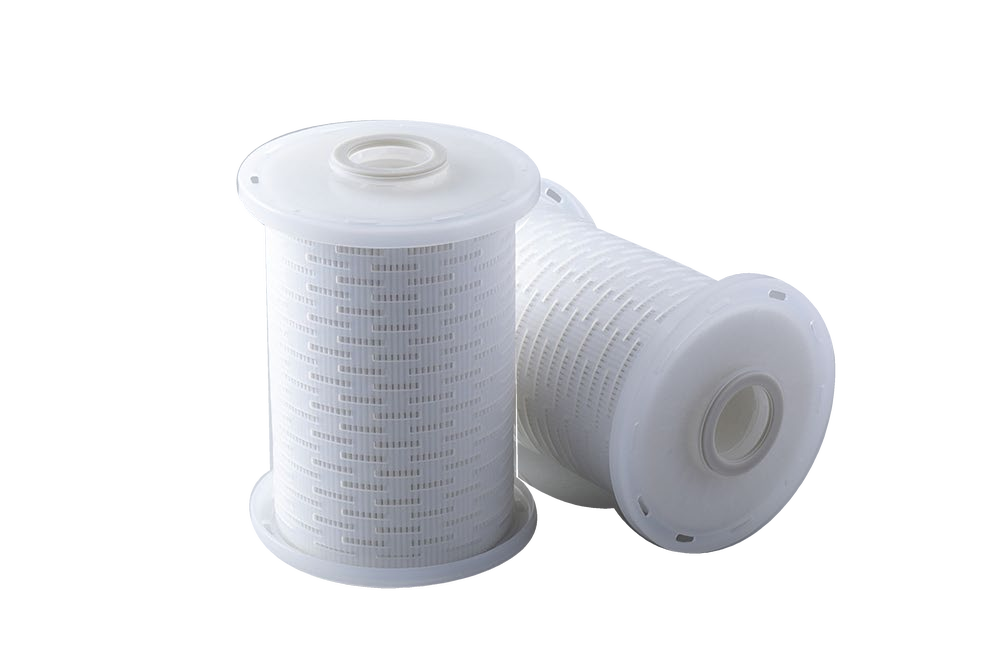
An adsorption-type high-flow cartridge filter for food and beverage clarification.
Enquire about this productManufacturer company information ↗Product photographs and manufacturer images use permitted official materials and source links. Original explanatory schematics are identified separately from actual product photographs.
Define current conditions and improvement goals before introducing a new filter. Sample and testing availability, who performs the work, costs and timing require separate agreement.
May we use Google Analytics, Google Ads and ChatGPT Ads to measure visits and completed enquiries? Learn more